
Agarwood Explained: Science, Culture & Truth
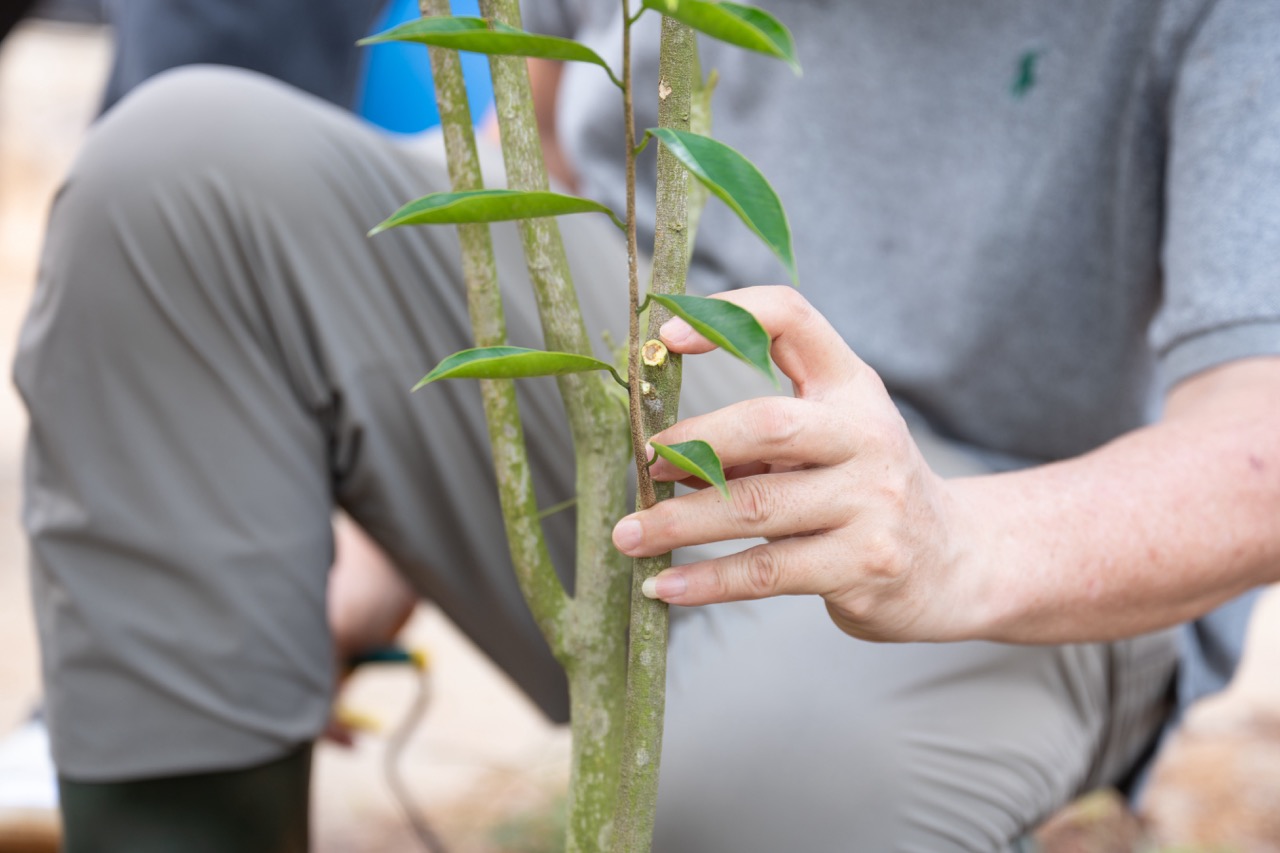
Introduction: What Is Agarwood, Really?
Agarwood is often described as one of the world’s most precious natural materials — yet few people truly understand what it is.
Some encounter it through fragrance, others through spiritual practices, and many through modern investment narratives. This mixture of cultural reverence and commercial confusion has led to widespread misunderstanding.
This article explains what agarwood really is, from its biological formation to its cultural role, and clarifies the truth behind its rarity and value.
1. Agarwood Is Not a Tree — It Is a Transformation
A common misconception is that agarwood is a type of tree.
In reality, agarwood is not the tree itself, but a resinous transformation that occurs within certain trees under specific conditions.
Only trees from the Aquilaria genus are capable of producing agarwood, and even then:
- Not every tree forms resin
- Not every infection leads to agarwood
- Not every resin is of high quality
Agarwood is not planted — it is formed.
2. How Agarwood Forms: A Biological Response Over Time
Agarwood forms when an Aquilaria tree experiences stress, such as injury or microbial interaction. In response, the tree produces a dark, aromatic resin as a defensive mechanism.
Key characteristics of this process:
- Resin formation is slow and uneven
- Aroma deepens with time
- Oil content varies greatly
- Quality cannot be rushed
This is why agarwood formation often takes many years, sometimes decades, to reach its highest expression.
3. Why Agarwood Is Rare
Agarwood is rare for several reasons:
- Only a small percentage of trees naturally form resin
- High-quality resin requires long-term maturation
- Environmental conditions play a critical role
- Overharvesting has reduced wild populations
Historically, agarwood was gathered from natural forests, making it both scarce and sacred. Modern cultivation seeks to protect remaining ecosystems while understanding the biological process more responsibly.
4. Agarwood Across Civilizations and History
For thousands of years, agarwood has been valued across cultures:
- In East Asia, it was used in incense, medicine, and spiritual rituals
- In the Middle East, it became central to perfumery and hospitality
- In South and Southeast Asia, it was revered in religious and royal contexts
Often called:
- “The King of Fragrances”
- “Wood of the Gods”
- “Liquid Gold”
Its value was never merely economic — it was cultural, spiritual, and symbolic.
5. Agarwood in Modern Fragrance and Wellness
In contemporary contexts, agarwood is widely known as oud.
It is prized in fragrance because:
- No two pieces smell the same
- It adds depth, warmth, and complexity
- It evolves uniquely on each individual
Luxury perfumery, niche scent houses, and traditional wellness practices continue to value agarwood for its sensory richness and emotional depth.
6. Why Agarwood Is Often Misunderstood Today
As interest in agarwood has grown, so has confusion.
Common misunderstandings include:
- Treating agarwood as a guaranteed agricultural yield
- Expecting predictable timelines
- Framing it as a financial product rather than a living process
These misunderstandings often lead to disappointment, failed projects, and mistrust — not because agarwood lacks value, but because it resists simplification.
7. The Truth About Agarwood
The truth is simple, but often overlooked:
- Agarwood follows nature’s timeline, not financial schedules
- Its value lies in rarity and patience, not scale
- It requires stewardship, not speculation
When approached with respect, agarwood remains one of nature’s most extraordinary expressions. When rushed or commodified, it becomes misunderstood.
Conclusion: Understanding Before Engagement
Before engaging with anything related to agarwood — whether cultural, personal, or practical — understanding its nature is essential.
Agarwood rewards:
- Time
- Care
- Knowledge
- Respect
Agarwood does not belong to haste. It belongs to those who listen to nature.
For those seeking to explore agarwood responsibly, education and long-term understanding are always the safest starting points.


